Mindset
Sep 29, 2026
2 min read
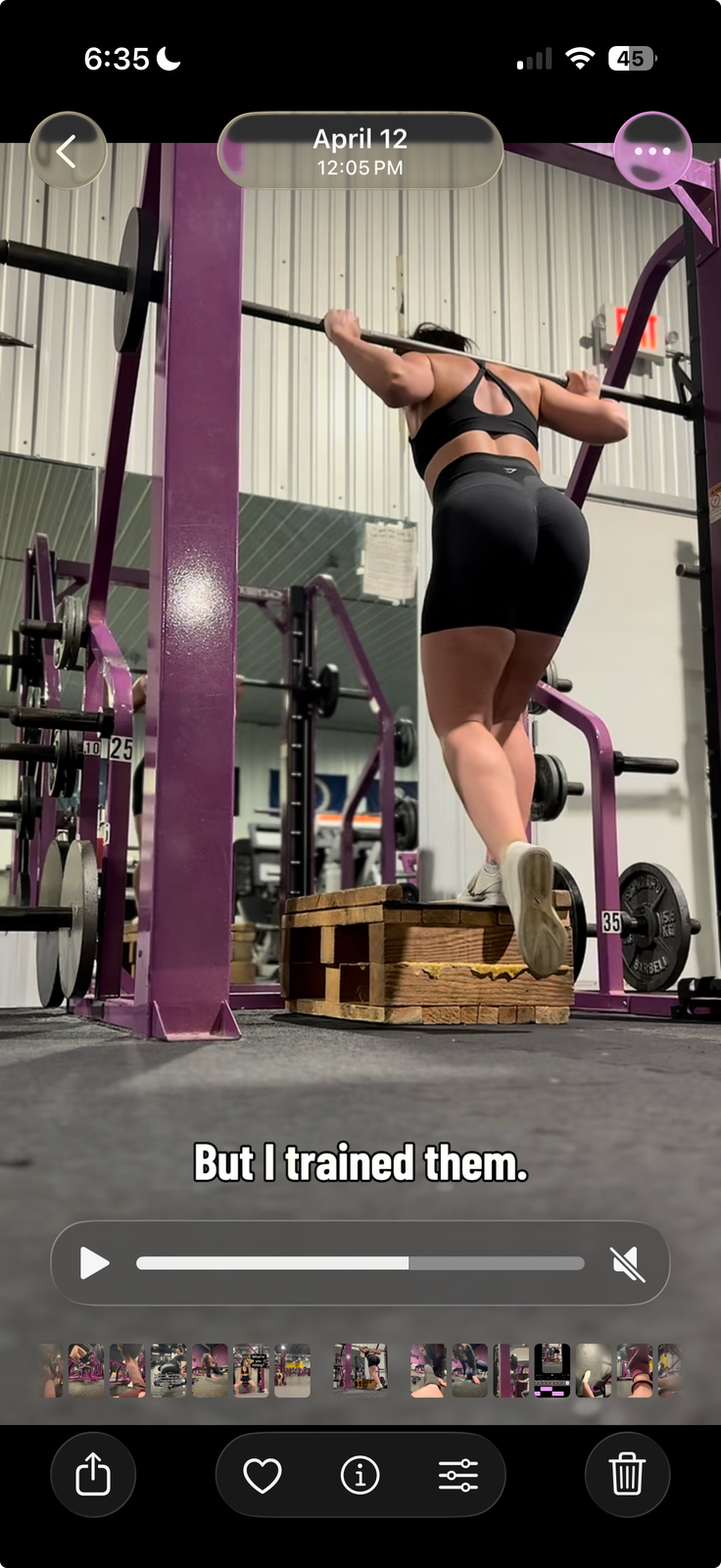
If you played a sport growing up, fitness probably never felt like a decision. Practice was on the calendar. A coach told you what to do. Your team noticed if you didn't show up. The structure did the work for you.
Then it ended. Graduation, an injury, or life just moved on. And nobody told you that you'd have to learn fitness from scratch.
It's not a willpower problem. Former athletes are some of the most disciplined people there are. But that discipline was always attached to something external: a coach, a meet, a season. Without it, it's easy to swing between going all in on a strict plan and then disappearing for three months.
You're comparing yourself to someone who had a full support system. Your old body was built by years of coached training. Measuring yourself against her on day one is a setup to quit.
You're still eating like an athlete. Habits built around hours of daily training don't switch off when the training does. That gap adds up quietly, and it's one of the most common reasons former athletes gain weight without understanding why.
The gym is a different sport. Knowing how to work hard doesn't mean knowing how to build a program, fuel a regular life, or walk into a weight room without feeling out of place. Those are skills, and they can be learned.
What actually works is rebuilding the structure your sport used to give you, then learning to trust yourself inside it. Showing up on the tired weeks. Adjusting instead of starting over. Letting consistency matter more than intensity.
That's what I help former athletes do: build training, nutrition, and habits that stick without a team holding them accountable. I've been there myself, as a former competitive swimmer.
If you recognized yourself in this, send me a message. Tell me what sport you played and where you are now, and I'll tell you where I'd start.
This article is general fitness information from its author, not medical advice. Check with your doctor before starting a new exercise or nutrition program.