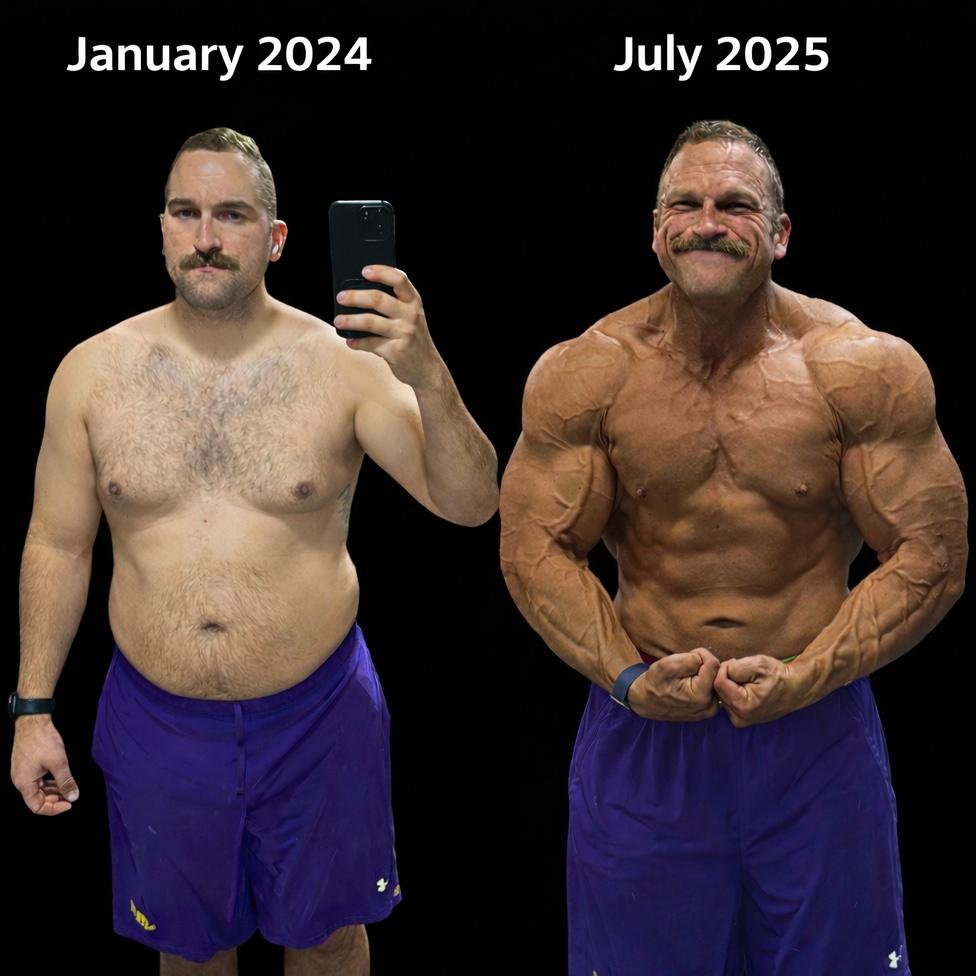
Getting in Shape After 30 Doesn’t Require Living in the Gym
Getting in shape after 30 can feel different than it did when you were younger.
Careers become more demanding. You may have kids. Sleep isn’t always perfect. Your schedule fills up, weekends become valuable, and spending two hours in the gym six days a week probably isn’t realistic.
The good news is that you don’t need to.
If your goal is to lose body fat, build muscle, get stronger, and improve your physique after 30, the answer usually isn’t doing more.
It’s doing the right things consistently.
Start With Strength Training
If you want to change how your body looks, resistance training should be one of your priorities.
Strength training helps you build or maintain muscle while losing weight, improves your strength and physical performance, and allows you to create the athletic or muscular appearance that dieting alone cannot provide.
You also don’t need to train every day.
For many busy adults, three to five well-designed strength-training sessions per week can provide plenty of stimulus for progress.
Even three workouts per week can be extremely effective when your program is structured properly and you’re consistently progressing.
More isn’t automatically better.
Progressive Overload: Give Your Body a Reason to Change
Your body needs a reason to adapt.
Over time, you should be trying to improve some aspect of your training.
That might mean adding weight, performing another repetition, improving your technique, increasing your range of motion, or performing the same workout with better control.
You don’t need to set a personal record every workout.
The goal is simply to improve over time.
That is how strength and muscle are built.
Fat Loss Comes Down to Energy Balance
You can have the best workout program in the world and still struggle to lose body fat if your nutrition isn’t aligned with your goal.
Fat loss requires consistently consuming fewer calories than your body uses over time.
That doesn’t mean starving yourself.
In fact, overly aggressive dieting can make consistency harder by leaving you hungry, tired, and more likely to abandon the plan altogether.
A moderate calorie deficit combined with adequate protein, strength training, daily activity, and patience is usually much more sustainable.
Your goal shouldn’t be to eat as little as possible.
Your goal should be to eat enough to support your training and lifestyle while still creating the calorie deficit needed for fat loss.
Protein Matters for Fat Loss and Muscle Building
Protein becomes especially important when you’re trying to lose fat while maintaining or building muscle.
Protein supports muscle recovery and growth, and higher-protein meals can also make dieting easier by helping you feel satisfied.
Good protein sources can include lean meat, chicken, turkey, fish, eggs, Greek yogurt, cottage cheese, and protein supplements when needed.
You don’t need a perfect diet.
You need a nutrition strategy you can consistently follow.
Don’t Ignore Your Daily Activity
Your workouts are only a small part of your week.
The movement you accumulate throughout the rest of the day matters too.
Walking is one of the simplest ways to increase your daily activity without adding another exhausting workout.
For someone with a desk job or otherwise sedentary lifestyle, gradually increasing daily steps can be an effective way to increase overall movement.
It can also be much easier to maintain than trying to add hours of cardio every week.
Your Workout Program Has to Fit Your Life
This is where a lot of fitness plans fail.
A program might look perfect on paper but require six gym sessions, daily cardio, complicated meal preparation, and a schedule that simply isn’t realistic.
That isn’t a good program for a busy professional, parent, or someone working long or irregular hours.
The best training plan is one that provides enough stimulus to make progress while still allowing you to be consistent.
That could mean lifting three or four days per week instead of six.
It could mean 45-minute workouts instead of 90-minute workouts.
It could mean learning how to make better nutrition decisions at restaurants instead of avoiding restaurants entirely.
It could mean structuring your training around your work and family responsibilities instead of trying to force your life around your workouts.
Fitness should work alongside your life.
Consistency Beats Perfection
You are going to have busy weeks.
You’ll occasionally miss workouts.
You’ll attend birthdays, vacations, holidays, work events, and family dinners.
None of those things prevent you from getting in shape.
The people who make long-term progress aren’t perfect.
They simply get back to their routine when life interrupts it.
One bad meal doesn’t ruin your diet.
One missed workout doesn’t ruin your training program.
One difficult week doesn’t erase months of progress.
What matters is what you do consistently over time.
What I Would Prioritize
For most adults over 30 who want to lose fat, build muscle, get stronger, and improve their overall fitness, I would focus on a few fundamentals:
- Strength train consistently.
- Eat enough protein.
- Maintain an appropriate calorie intake for your goal.
- Stay active outside the gym.
- Prioritize sleep and recovery as much as your lifestyle allows.
- Track your progress over months rather than days.
You don’t need extreme diets, endless cardio, complicated workout routines, or dozens of supplements.
You need a strategy you can continue long enough for it to work.
Who This Approach Works Well For
This type of approach can work especially well for busy professionals, parents, fathers, men and women over 30, first responders, law-enforcement officers, shift workers, beginners, and people returning to exercise after spending years away from the gym.
Your starting point doesn’t matter nearly as much as your willingness to become consistent.
Maybe you want to lose 20 or 30 pounds.
Maybe you want to build muscle.
Maybe you want to improve your strength.
Maybe you want to completely change your physique.
Or maybe you simply want to feel more confident walking into the gym and know that what you’re doing is actually moving you toward your goals.
The fundamentals still matter.
Getting Started
If you’re over 30 and trying to lose weight, lose body fat, build muscle, increase strength, improve your nutrition, or get back into the gym after time away, your plan should reflect your individual circumstances.
Your training experience, work schedule, family responsibilities, available equipment, nutrition habits, and starting point all matter.
That’s one of the biggest benefits of personalized coaching.
A good personal trainer doesn’t simply give you exercises to perform.
They help you create a training, nutrition, and accountability system that fits your actual life.
If those are the kinds of goals you’re working toward, send me a training request through TrainerMatch and tell me a little about where you’re starting and what you want to accomplish.
This article is general fitness information from its author, not medical advice. Check with your doctor before starting a new exercise or nutrition program.