Training Tips
Oct 15, 2026
7 min read
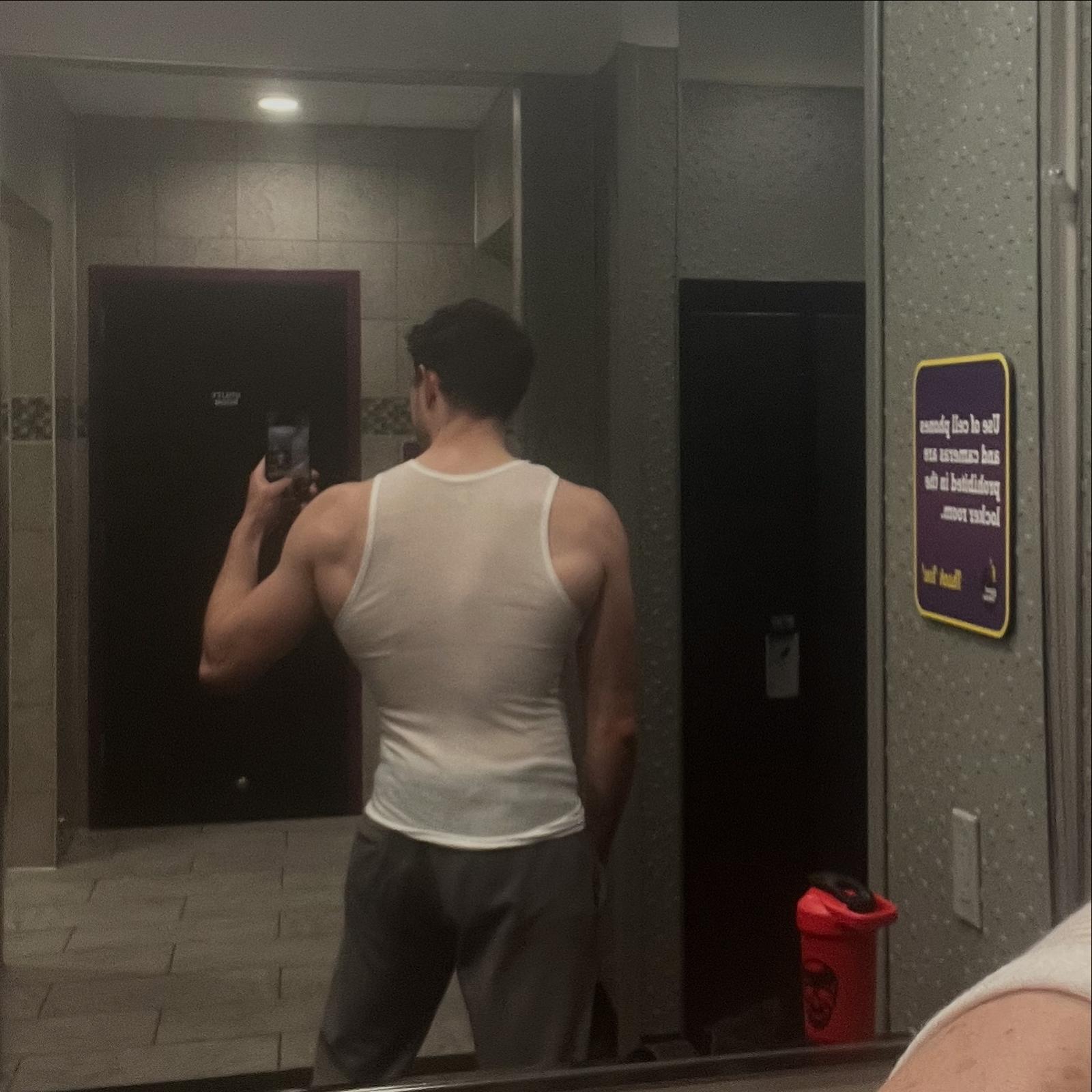
Getting stronger, moving better, and having more energy are goals anyone can work toward. Whether you are an athlete looking to improve performance, someone interested in kickboxing, or simply trying to feel better in your everyday life, the right training approach can make a meaningful difference.
Regular exercise is about more than building muscle or changing your appearance. It can help you develop strength, improve mobility, build endurance, and move with greater confidence. These qualities can benefit everything from everyday activities to demanding sports such as kickboxing.
As a personal trainer, I see the goal of training as helping people feel stronger, move with confidence, and enjoy greater energy in their daily lives. With more than 12 years of experience in kickboxing and athletic training, I understand the importance of developing a body that is not only strong but also coordinated, mobile, and capable of responding to different physical challenges.
Here are three practical training strategies that can help you improve your physical abilities, enhance sports performance, and get more out of your training.
Strength is one of the foundations of physical performance. It helps us lift, carry, push, pull, run, jump, and perform everyday movements more effectively.
Whether your goal is to build muscle, improve athletic performance, or develop more power for kickboxing, resistance training can help you build the physical foundation you need.
Exercises such as squats, lunges, rows, presses, deadlifts, and carries can develop strength throughout the body. For kickboxers, strengthening the legs, hips, core, back, and shoulders can support powerful movements, balance, and the ability to maintain good technique throughout training.
However, strength is not only about how much weight you can lift. It is also about how effectively you can use that strength during movement.
One important principle is progressive overload. This means gradually increasing the challenge placed on your body as you become stronger. Progress may involve increasing resistance, performing more repetitions, improving technique, or controlling movements more effectively.
The key is to train consistently, use appropriate technique, and allow enough time for recovery.
The goal is to develop strength that improves both your performance in the gym and your ability to handle the physical demands of everyday life.
Strength is important, but how you move matters just as much.
Mobility allows you to move your joints through the ranges of motion needed for different activities. Balance helps you maintain control of your body, while coordination allows different muscle groups to work together efficiently.
These qualities are particularly important in kickboxing, where effective movement depends on footwork, balance, hip rotation, reaction, and the ability to transfer force through the body.
For example, throwing a technically sound kick requires more than leg strength. It involves hip mobility, balance on the supporting leg, core control, and coordination between different parts of the body. Similarly, moving defensively requires the ability to shift your weight, change direction, and maintain control.
You do not need to practice kickboxing to benefit from these training principles. Mobility drills, controlled lunges, rotational exercises, balance work, and coordinated movement patterns can benefit people with a wide range of fitness goals.
A well-rounded program should incorporate mobility and coordination into regular training rather than treating them as an afterthought.
For beginners, this might mean practicing basic movement patterns and controlled rotations. For experienced athletes, it could include more dynamic footwork, sport-specific drills, and progressively challenging movement combinations.
Moving better means developing the control, balance, and confidence to use your strength effectively.
A strong body should be capable of doing more than lifting weights. It should also be able to sustain activity, respond to physical challenges, and recover between periods of effort.
This is where conditioning and functional training become valuable.
Kickboxing is an excellent example of a sport that combines several physical qualities. Training can involve cardiovascular endurance, muscular endurance, speed, coordination, reaction time, and the ability to produce repeated bursts of effort.
However, these qualities can also be developed through other forms of exercise.
Depending on your goals and fitness level, your program might include brisk walking, cycling, interval training, medicine-ball exercises, kettlebell movements, resistance-band exercises, and appropriately scaled jumping or agility drills.
For someone interested in kickboxing, training might also include shadowboxing, footwork drills, controlled combinations, and pad work with a qualified instructor. Beginners should first focus on technique and controlled movement before progressing to higher intensity.
For general fitness, the same principles can be adapted to improve stamina, energy, and everyday performance without requiring combat-sport training.
The important thing is to match the intensity to your current abilities and gradually progress as your fitness improves. Proper recovery, sleep, and balanced nutrition also play important roles in supporting performance.
Physical dynamism is about more than being strong. It is the ability to move with energy, coordination, control, and purpose.
Last month, I worked with a client who wanted to improve their physical abilities and feel more confident in everyday life.
Rather than immediately introducing difficult exercises, I focused on understanding the client's starting point, movement patterns, and goals. From there, we worked on developing a foundation through strength exercises, mobility work, and controlled movements.
As training progressed, we adjusted the exercises to match the client's abilities and gradually increased the challenge when appropriate.
One of the most rewarding aspects of the experience was seeing the client's confidence grow. Movements that initially felt challenging became more manageable, and the client became more comfortable with the training process.
This experience reminded me that progress is not always measured by the amount of weight someone lifts or how quickly they complete a workout. It can also be reflected in better movement, greater energy, and a willingness to take on new physical challenges.
As someone with a background in kickboxing and athletic training, I understand that physical development involves more than one quality. Strength, mobility, endurance, and coordination all contribute to how effectively we move.
For me, one of the most meaningful parts of personal training is helping people discover what they are capable of achieving through consistent effort and appropriate guidance.
Every client is different, which is why training should be built around the individual rather than forcing everyone to follow the same program.
Improving strength, mobility, and physical performance does not require you to be an athlete or have years of gym experience. It starts with understanding your current abilities, identifying your goals, and following a training plan that helps you progress.
By combining progressive strength training, mobility and coordination work, and appropriate conditioning, you can develop a more capable and resilient body.
If you enjoy kickboxing, these principles can help support your athletic development. If your goal is general fitness, they can help you become stronger, move more comfortably, and improve your stamina. If you are returning to exercise after a long break, they can provide a foundation for rebuilding your physical abilities gradually.
The most effective training program is one that challenges you appropriately, allows you to recover, and fits into your life consistently.
Your journey does not need to look like anyone else's. Whether you want to improve your kickboxing performance, build muscle, increase your energy, or simply feel better in your daily activities, focus on consistency and celebrate the progress you make along the way.
Your fitness journey is not about competing with someone else. It is about becoming stronger, moving better, and building a body that supports the life you want to live.
This article is general fitness information from its author, not medical advice. Check with your doctor before starting a new exercise or nutrition program.