Getting Started
Oct 8, 2026
7 min read
Sometimes finding your place in the fitness world doesn’t happen because you have everything figured out.
Sometimes, it happens because you’re trying to figure out what comes next.
Between 2014 and 2016, I was in my early 30s—31 to 33 years old—and in the middle of a major transition in my life.
I had owned a condo for about five years and had spent about two years food blogging. Eventually, circumstances led me back home to the Midwest, and I moved back in with my parents.
I’ll be honest: it wasn’t exactly how I imagined my life would look in my 30s.
I went back home with my tail between my legs.
But what initially felt like a step backward became the beginning of a completely different chapter.
A New Career Path
I enrolled in vocational school, which lasted six months, and began training at two different gyms.
At the same time, I was discovering a side of fitness I hadn’t really experienced before: obstacle course racing and rucking.
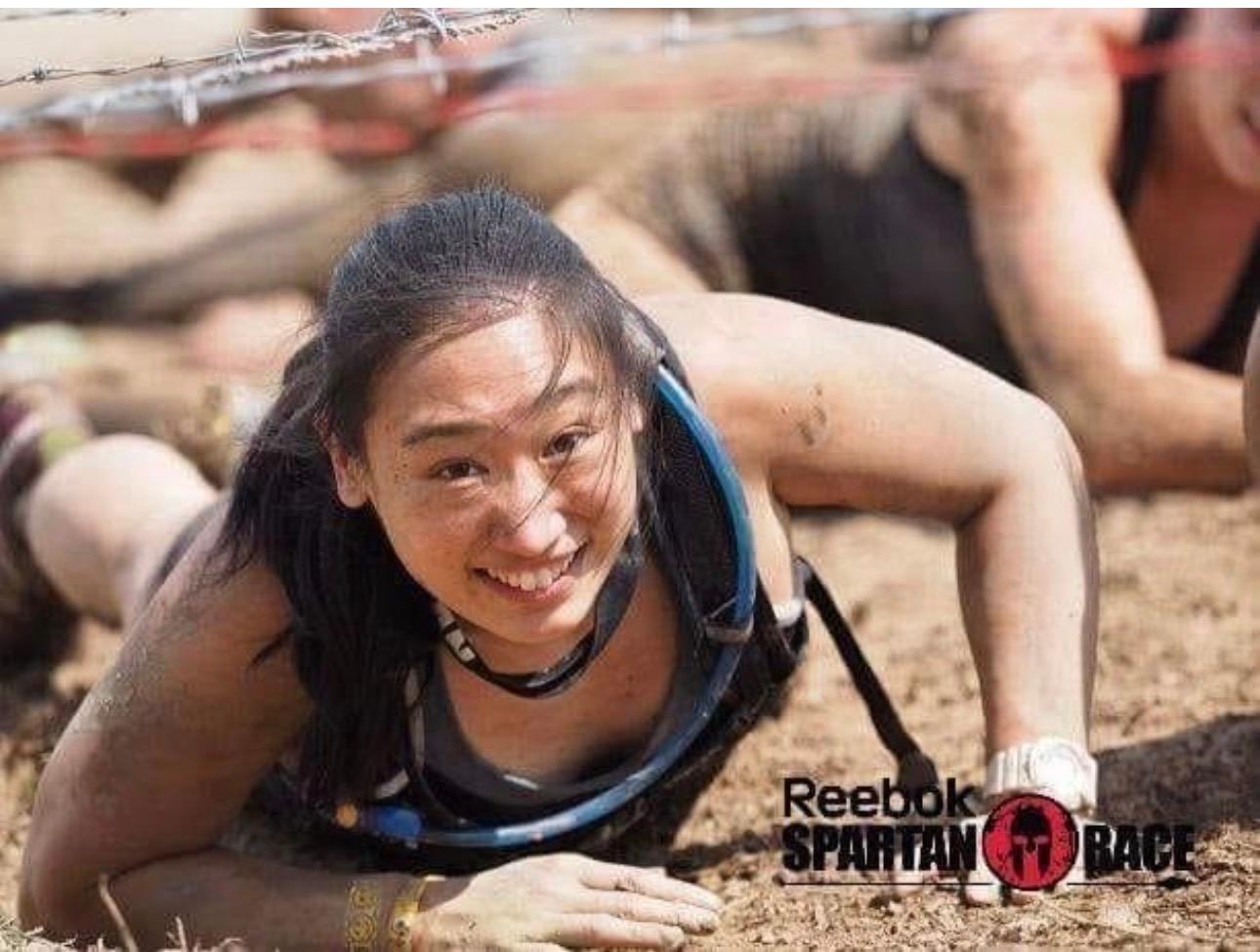
Obstacle Course Racing, or OCR, combines running with physical obstacles such as climbing walls, carrying heavy objects, crawling, and traversing rigs and monkey bars. Races can range from shorter distances like 5K events to much longer 10K and 21K challenges.
Rucking is different. At its simplest, it’s walking or running while carrying a weighted backpack.
But for me, neither was simply about the physical challenge.
They were about the people, the teams, the camaraderie, and discovering what I was capable of.
My First Experience With OCR
My first attempt at an obstacle course race was Warrior Dash.
It was late fall in the Midwest, and the weather was cold.
Really cold.
I ultimately decided not to run because I was concerned about hypothermia.
My second OCR experience was Dirt Runner, and that experience was completely different.
Dirt Runner was privately owned, and there was an opportunity to camp, spend time with other teams, and actually bond with the people around you.
That sense of community was one of the things I loved most about OCR.
Eventually, I started participating in Spartan races as well.
I enjoyed Spartan, and I eventually completed my Trifecta—but interestingly, I ended up going to those races by myself.
Looking back, that experience taught me something.
You don’t always have to wait for someone else to come with you.
Sometimes you just go.
Finding My Place Among the Teams
During this time, I joined several teams, although I had one team that was my primary focus.
It didn’t really occur to me at first that some people were slightly annoyed that I was involved with “all these teams.”
I was simply excited to participate, meet people, and experience different aspects of the fitness community.
There were also some funny misconceptions about me.
People would sometimes spread the idea that I was a “new recruit” who was extremely young.
I suspect part of that came from the fact that I was living at home and, being Asian, I looked younger than my actual age.
I’d already experienced this kind of thing before.
Even after moving away from the state where I grew up, I heard that I had supposedly been “popular in high school.”
In my 30s.
Apparently, some people had a very different timeline for my life than I did.
But that’s a tangent for another day.
Then Came Rucking
Around the same period, I discovered GORUCK.
And GORUCK was a completely different world from Spartan.
Spartan is obstacle course racing.
GORUCK is rucking—often involving long-distance movement while carrying a weighted backpack, along with challenges that emphasize teamwork, endurance, and mental toughness.
When I first became involved with GORUCK, the organization was very different from what it is today. The model has changed over the years, although the CEO remains the same.
Despite the differences between OCR and rucking, one thing felt remarkably similar:
The camaraderie.
You suffer together.
You encourage one another.
You push through something difficult together.
And when it’s over, you have shared an experience that is difficult to explain to someone who wasn’t there.
I still keep in touch with some of the people I’ve met through both running and rucking.
I Wasn’t a Runner
Here’s something people might find surprising:
Running has never been my favorite form of cardio.
I had to mentally amp myself up to run or ruck in the mornings.
For one thing, I wasn’t—and still am not naturally—a morning person.
For another, running simply isn’t my favorite activity.
But I did it anyway.
I also had opportunities to participate in CrossFit, wall climbing, and other activities that expanded my understanding of fitness.
And while I wasn’t necessarily the strongest runner or rucker, I discovered something important:
I was good at the obstacles.
That became one of the areas where I felt most comfortable.
It reminded me that fitness isn’t about being good at everything.
It’s about discovering where your strengths are—and learning how to build from there.
Meanwhile, I Was Coaching
While all of this was happening, I was also training other people at the gyms where I worked.
That part never really changed.
Even while I was figuring out my own career path, experimenting with different forms of fitness, joining teams, racing, rucking, and trying new things, I still found myself drawn to helping other people.
I enjoyed seeing someone accomplish something they didn’t think they could do.
I enjoyed helping people become stronger.
I enjoyed watching confidence develop.
And I enjoyed being part of someone’s journey.
Looking back, I realize that I wasn’t just participating in fitness.
I was finding my niche.
More Than a Sport
OCR and rucking gave me experiences that went beyond exercise.
They taught me about teamwork.
They taught me about perseverance.
They taught me that sometimes you have to show up even when you don’t feel like it.
They taught me that you can be uncomfortable and still keep moving forward.
And perhaps most importantly, they helped me understand that there isn’t one definition of what being “fit” looks like.
Some people love running.
Some people love lifting.
Some people love obstacle courses.
Some people love rucking.
Some people just want to feel better, lose weight, gain confidence, or finally make fitness part of their lives.
All of those goals matter.
Finding My Coaching Philosophy
My approach to fitness has evolved considerably since those days.
I’ve experienced different gyms.
I’ve trained different types of people.
I’ve competed.
I’ve rucked.
I’ve climbed.
I’ve lifted.
I’ve pushed myself outside of my comfort zone.
I’ve also experienced career changes, setbacks, and periods where life didn’t go according to plan.
And through all of it, one thing has remained consistent:
I still love helping people reach their goals through fitness, health, and wellness.
I simply have a different approach now.
I’m not trying to turn everyone into an OCR athlete.
I’m not trying to make everyone a runner.
I’m not trying to make everyone carry a heavy backpack through the woods.
Those experiences shaped me, but they don’t have to define my clients.
Today, I want to meet people where they are.
Maybe you’re busy.
Maybe you’re starting over.
Maybe you have lost yourself somewhere along the way.
Maybe you’ve tried fitness before and felt like you couldn’t stick with it.
Maybe you simply want to become stronger, healthier, and more confident without feeling like you have to become a completely different person.
That’s where my coaching comes in.
The Journey Continues
When I look back at the woman in her early 30s who moved back home, started vocational school, trained at two gyms, discovered OCR and rucking, joined teams, competed, coached others, and tried to figure out what direction her life was going—I don’t see someone who failed.
I see someone who was finding her way.
Sometimes a detour isn’t really a detour.
Sometimes it’s the road that leads you to where you were supposed to be.
My experiences with obstacle course racing, rucking, strength training, and coaching helped shape the trainer—and the person—I am today.
And although my approach has changed, my purpose hasn’t.
I still want to help people become the strongest, healthiest, and most confident versions of themselves.
I just believe there is more than one way to get there.
And that’s something I intend to carry with me into the next chapter of my coaching journey.
This article is general fitness information from its author, not medical advice. Check with your doctor before starting a new exercise or nutrition program.